
Jeu Pokies online and the psychology behind risk perception in virtual reels
Pokies online have rapidly transformed the gaming landscape, enticing millions of Australians with immersive virtual reels and instant access through digital devices. The convenience and sheer variety of pokies online make them a compelling choice for both seasoned players and newcomers. From dynamic themes to interactive bonus rounds, these games blend entertainment with sophisticated psychological triggers, redefining how risk, reward, and excitement are experienced beyond traditional venues.
Introduction to Pokies Online and the Allure of Virtual Reels

The evolution of pokies from mechanical machines in pubs to visually stunning online slots represents a seismic shift in how Australians approach gaming. What once required a trip to the local club or casino can now be enjoyed from a smartphone, eliminating barriers to entry and expanding the player base. Virtual reels offer a dazzling array of options—classic fruit machines, blockbuster-themed slots, and progressive jackpots—all designed to capture attention instantly.
A major part of this allure lies in the sophisticated use of digital graphics, licensed music, and seamless gameplay. For many, spinning a virtual reel is not just about the prospect of winning but about the multisensory experience: bright animations, sound effects upon wins, and the anticipation of bonus features. The ability to play at any hour, pause, or switch games at will further increases the appeal, aligning gameplay with modern lifestyles and preferences.
The Emotional Dynamics of Spinning Virtual Reels
Online pokies are engineered to evoke strong emotional responses with every spin. Anticipation builds as reels slow, and a near-miss—when symbols almost align—can trigger the same physiological arousal as a win, despite the outcome. This phenomenon is no accident; game developers intentionally design near-misses to amplify excitement and keep players engaged.
Reward systems play a central role as well. Frequent small wins, celebratory sound cues, and visual fireworks create a sense of continual progress, even if the player is losing overall. This intermittent reinforcement mirrors patterns seen in behavioral psychology experiments, where unpredictable rewards drive persistent engagement. For example, a player may experience a dopamine rush after hearing triumphant music and seeing animated coins, reinforcing the desire to continue playing even after modest wins.
Risk Perception in Online Pokies Environments
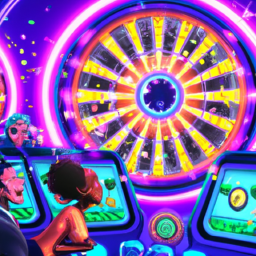
Digital interfaces can significantly skew a player’s perception of risk. Unlike physical slot machines that display odds on paytables, online pokies often bury this information within menus, making it less accessible. The seamless flow from one spin to the next can blur the understanding of cumulative losses or the true likelihood of winning.
One key distinction is between perceived and actual odds. While players may believe every spin is a fresh opportunity, the house edge and random number generator (RNG) mechanics ensure long-term profitability for operators. Design elements—such as flashy win animations or “almost-win” scenarios—can further distort risk awareness, encouraging continued play by making losses feel less consequential. For instance, a game that highlights small wins with the same intensity as larger payouts can make a session seem more successful than it truly is.
Decision Making and Cognitive Biases in Pokies Online
Player choices within pokies online are shaped by a web of cognitive biases and heuristics. The gambler’s fallacy, for example, leads some to believe that a win is “due” after a series of losses, despite each spin being independent. This misconception can prompt riskier bets or longer sessions in pursuit of an anticipated payout.
The illusion of control is another potent influence, where players believe their actions—choosing lines, timing spins—can impact outcomes, despite RNGs ensuring pure chance. Loss aversion also plays a role: the pain of losing often outweighs the pleasure of winning, prompting players to chase losses or double down in hopes of recovery. These biases often operate subconsciously, subtly guiding behavior in ways that defy rational analysis.
- Gambler’s Fallacy: Expecting a win after multiple losses
- Illusion of Control: Believing choices affect outcomes
- Loss Aversion: Chasing losses to avoid the pain of defeat
Pokies Online and Risk Perception: Influence of Virtual Environment Factors
Immersive graphics, interactive features, and always-on accessibility deeply impact player behavior in online pokies. High-definition visuals and themed storylines create an engaging atmosphere, making it easy to lose track of time and spending. Interactive bonus rounds and mini-games add layers of involvement, blurring the line between gaming and gambling.
Platform accessibility is a double-edged sword. While it allows for flexible entertainment, it also removes the natural breaks present in physical venues. For example, a player at home can jump from game to game or play multiple slots simultaneously, extending sessions far beyond what might occur in a casino. This seamless access, combined with features like autoplay or quick-spin modes, can lead to increased betting frequency and higher cumulative losses without obvious cues to stop.
| Virtual Environment Factor | Impact on Player Behavior |
|---|---|
| Immersive Graphics | Heightens engagement, reduces risk awareness |
| Bonus Features | Encourages longer play through interactive rewards |
| Platform Accessibility | Removes natural breaks, increases session length |
Strategy Logic and the Myth of Skill in Online Pokies
Despite the proliferation of “winning strategies” and tips shared among enthusiasts, pokies online remain fundamentally games of chance. Every reel spin is governed by a certified random number generator, ensuring outcomes are unpredictable and unaffected by previous results or player actions. Yet the belief in personal skill or strategy persists, especially among regular players.
This illusion is partly sustained by game design. Features like “stop the reels” buttons or pick-a-prize bonuses create a sense of agency, even though the outcome is determined at the moment the spin is initiated. For example, choosing when to press “spin” or which bonus feature to select may feel strategic but has no real effect on the result. This perceived control can foster overconfidence, increasing risk-taking and potentially leading to extended play sessions and greater losses.
Industry Trends Shaping Online Pokies Experiences
The online pokies sector is fast-evolving, with emerging trends reshaping both engagement and risk. Gamification elements—such as achievement badges, loyalty tiers, and tournament leaderboards—add a competitive layer, encouraging repeated play and fostering community among users. Social features, including chat rooms or friend challenges, replicate the camaraderie of brick-and-mortar venues and introduce new dimensions of peer influence.
Regulatory responses are also adapting to these psychological risk factors. Australian authorities are increasingly mandating clearer information about odds, implementing voluntary betting limits, and developing self-exclusion tools. These measures reflect a growing recognition of the need to balance entertainment with player protection as virtual gaming continues to expand.
- Introduction of responsible gambling features
- Expansion of live tournaments and social events
- Enhanced regulatory oversight and transparency
Reflecting on the Intersection of Human Psychology and Pokies Online
The continued advancement of online pokies technology presents an intricate interplay between innovative entertainment and the complexities of human risk perception. As digital slot games become more immersive and accessible, understanding the underlying psychological drivers—from emotional triggers to cognitive biases—remains essential for both players and industry professionals. The shape of future pokies experiences will depend not only on technological evolution but also on a nuanced appreciation of how human behavior adapts in response to virtual environments.
