
Jeu Performance enhancement drugs: benefits, risks, and what to do next
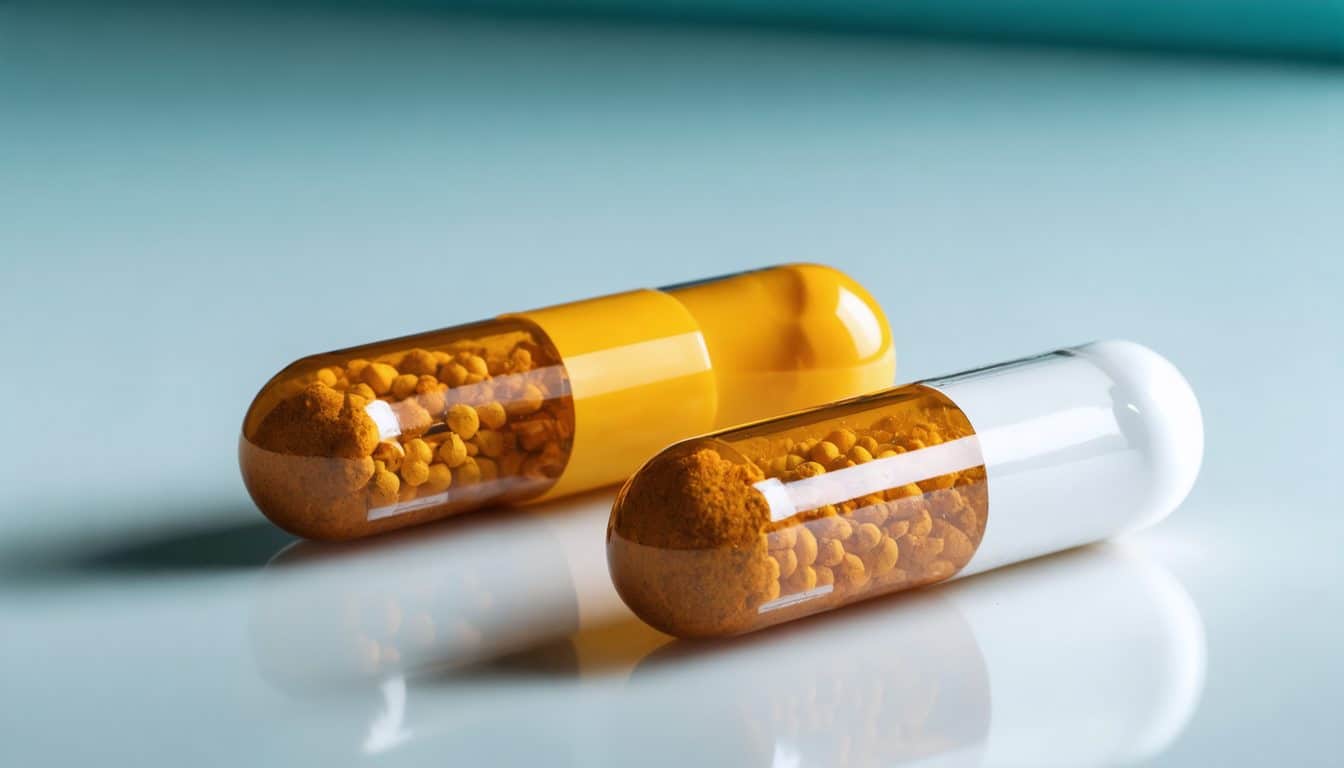
“Performance enhancement drugs”: what it is and what your next step should be
Disclaimer: This article is for educational purposes only and does not replace professional medical advice, diagnosis, or treatment. Performance enhancement drugs (PEDs), including anabolic steroids, stimulants, and hormone-based substances, can carry significant health risks. Always consult a qualified healthcare professional before starting or stopping any substance.
Performance enhancement drugs are substances used to improve physical strength, muscle mass, endurance, focus, or athletic performance. They may include anabolic-androgenic steroids (AAS), human growth hormone (HGH), testosterone boosters, erythropoietin (EPO), stimulants, and certain prescription medications used off-label.
If you are considering using PEDs—or are already using them—your next step depends on your current situation. Below is a practical, “user journey” guide to help you decide what to do safely and responsibly.
3 typical scenarios
Scenario 1: You’re an athlete feeling pressure to improve performance
What is experienced: You may feel stuck in your progress, pressured by competition, or influenced by peers or social media promoting steroids or “legal” performance enhancers.
What this might mean: Plateaus in strength or endurance are common in training. It may reflect training program design, recovery issues, sleep quality, nutrition gaps, or unrealistic expectations—not necessarily a need for drugs.
What a doctor usually does:
- Reviews training schedule, diet, supplements, and sleep habits.
- Assesses for overtraining syndrome or nutrient deficiencies.
- Orders blood tests (e.g., testosterone levels, thyroid function, iron studies).
- Discusses risks of anabolic steroids and other PEDs, including cardiovascular and hormonal effects.
Before considering substances, reviewing evidence-based sports performance and recovery strategies may offer safer, sustainable improvements.
Scenario 2: You are already using anabolic steroids or testosterone without supervision
What is experienced: Rapid muscle gain, increased strength, acne, mood swings, reduced natural libido, or testicular shrinkage. Some users notice high blood pressure or abnormal lab results.
What this might mean: Non-prescribed anabolic steroid use can suppress natural testosterone production, alter cholesterol levels, increase clot risk, and strain the liver and heart. Psychological effects such as irritability or depression may also occur.
What a doctor usually does:
- Takes a confidential substance history (type, dose, duration—without judgment).
- Orders labs: liver function, lipid profile, hormone panel, hematocrit.
- Evaluates cardiovascular risk (blood pressure, ECG if needed).
- Discusses safe discontinuation and possible medically supervised hormone management (as prescribed by a doctor).
If you are concerned about stopping, a physician can guide you through a monitored plan rather than abrupt cessation. Learn more about hormone health and medical supervision before making changes.
Scenario 3: You are experiencing side effects from performance enhancement drugs
What is experienced: Chest pain, shortness of breath, severe mood changes, infertility concerns, gynecomastia (breast tissue growth in men), menstrual irregularities in women, or injection-site infections.
What this might mean: These symptoms could indicate cardiovascular complications, hormonal imbalance, liver dysfunction, or infection. Some effects can become long-term if not addressed early.
What a doctor usually does:
- Performs a focused physical exam.
- Orders urgent tests if cardiac or thrombotic risk is suspected.
- Refers to cardiology, endocrinology, or mental health specialists when needed.
- Discusses discontinuation and supportive care options.
Early evaluation significantly reduces the risk of permanent complications. See our guide on recognizing medication-related side effects for more context.
Decision tree: what should you do next?
- If you are only considering PEDs due to a performance plateau, then consult a sports medicine physician or registered dietitian before taking any substance.
- If you are using over-the-counter “testosterone boosters,” then review the ingredient list with a healthcare professional; some supplements may contain undisclosed steroids.
- If you are using injectable or oral anabolic steroids without a prescription, then schedule a confidential medical evaluation for lab testing and cardiovascular screening.
- If you notice mood changes, depression, or aggression, then seek mental health assessment promptly.
- If you experience chest pain, severe shortness of breath, or neurological symptoms, then seek emergency care immediately.
- If fertility is a concern, then request hormone and reproductive evaluation before continuing any substance.
When to seek help urgently (red flags)
- Chest pain or pressure: Could indicate heart attack or cardiac strain.
- Sudden shortness of breath: May suggest blood clot or pulmonary embolism.
- Severe headache with vision changes: Possible stroke or hypertensive crisis.
- Yellowing of skin or eyes (jaundice): Potential liver injury.
- Suicidal thoughts or extreme mood swings: Psychiatric emergency.
- High fever and injection-site redness: Possible serious infection.
These symptoms require immediate medical attention.
Approaches to treatment/management (overview)
Management depends on whether PEDs are being considered, currently used, or causing complications.
- Medical evaluation and monitoring: Blood tests, blood pressure control, cardiac screening.
- Supervised hormone management: If clinically indicated, testosterone therapy or other hormonal treatments may be prescribed by a doctor for legitimate medical conditions (e.g., hypogonadism).
- Gradual discontinuation: In some cases, physicians may monitor recovery of natural hormone production after steroid cessation.
- Cardiovascular risk reduction: Lifestyle modification, and medications if prescribed.
- Mental health support: Counseling or psychiatric care when mood disturbances occur.
- Nutrition and training optimization: Evidence-based strategies often yield sustainable performance gains.
Comprehensive care is more effective than self-managing side effects. Explore our overview of safe muscle building and fitness optimization for alternatives.
Prevention: reducing the need for performance enhancement drugs
Many individuals turn to PEDs due to unrealistic expectations or misinformation. Prevention focuses on education and sustainable habits:
- Structured periodized training programs.
- Protein intake aligned with activity level.
- Sleep optimization (7–9 hours nightly).
- Stress management and recovery days.
- Medical evaluation for true hormone deficiencies.
- Avoidance of unregulated online supplements.
Prevention also includes understanding the legal and anti-doping implications in competitive sports.
| Method | Who it suits | Limitations/Risks |
|---|---|---|
| Structured resistance training | Beginners to advanced athletes | Requires time and consistency |
| Sports nutrition planning | Endurance and strength athletes | Needs personalization; misinformation common |
| Medical testosterone therapy (as prescribed by a doctor) | Patients with diagnosed hypogonadism | Requires monitoring; not for performance enhancement |
| Creatine supplementation | Healthy adults in strength training | Generally safe but should be discussed with a clinician |
| Anabolic steroids (non-prescribed use) | Not medically recommended for performance | High cardiovascular, hormonal, psychiatric risk |
Questions to ask your doctor
- Do I have a medically confirmed hormone deficiency?
- What tests should I take before considering any hormone therapy?
- How do anabolic steroids affect heart health long term?
- What are the fertility implications?
- Can my symptoms be explained by overtraining or nutrition issues?
- Are there safer, legal alternatives for improving performance?
- How long does natural testosterone recovery take after stopping steroids?
- What mental health effects should I monitor?
- How often should labs be checked?
- Are my supplements safe and evidence-based?
Sources (authoritative)
- World Anti-Doping Agency (WADA) – wada-ama.org
- U.S. National Institute on Drug Abuse (NIDA): Steroids and Other Appearance and Performance Enhancing Drugs – nida.nih.gov
- Endocrine Society Clinical Practice Guidelines – endocrine.org
- American College of Sports Medicine (ACSM) Position Stands – acsm.org
- World Health Organization (WHO) – who.int
Bottom line: Performance enhancement drugs may promise rapid results, but they carry real medical risks. Your safest next step is a confidential discussion with a healthcare professional who can evaluate your goals, screen for underlying conditions, and guide you toward sustainable, evidence-based strategies.
